Lesson 5: Overview

Punching Up Your Story – Finding Your Funny (cont.) & Stage Presence

Stand Up & Learn logo – educational comedy program teaching students comedic storytelling, confidence, and public speaking skills

Overview:

Today, kids will learn to prepare their stories for performance using the ISG structure
(Introduction–Story–Goodbye), and will explore how a strong stage presence enhances comedic storytelling. By watching peer examples, rehearsing in groups, and providing feedback, kids will gain confidence in their delivery while refining their stories.

Objectives:

Materials Needed:

SUL Lesson 5:

OVERVIEW - ISG

SUL Lesson 5:

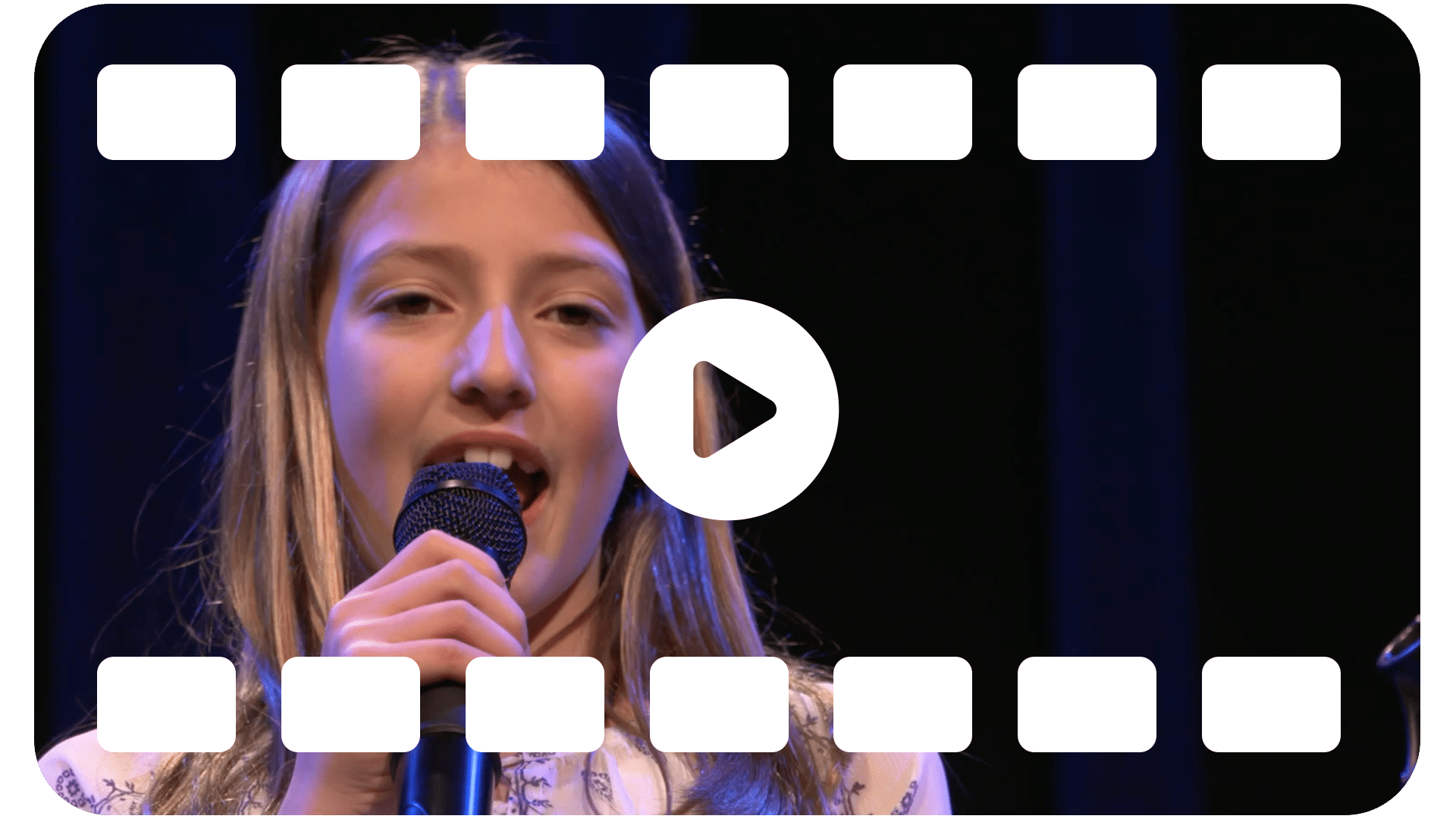
REHEARSE – ELLA’S STORY & PERFORMANCE

SUL Lesson 5:

KEVIN'S INSIGHTS

SUL Lesson 5:

Punching Up Your Story Handout

(1 per student)

SUL Lesson 5:

Rehearse – Ella’s Story Handout

(1 per student)

SUL Lesson 5:

Comedic Storytelling Rubric - PUNCH UP

SUL Lesson 5:

Two-Star and A Wish Feedback Handout

(optional)

Lesson 5: Part 1

Mini-Lesson-ISG

Stand Up & Learn logo – educational comedy program teaching students comedic storytelling, confidence, and public speaking skills

1. Set the Tone

Today is about preparing to share your story on stage.
That doesn’t mean being perfect; it means being clear,
confident, and connected to your audience. We’re going
to learn a simple performance structure called ISG:
Introduction, Story, Goodbye.

On the board or screen, write: ISG

  • I– Introduction: Greet your audience and introduce your story
  • S– Story: Tell your story, with your comedic touches and pacing
  • G– Goodbye: Wrap it up with a final thought, thank your audience, and exit with intention

Discussion Questions:

  • What makes a good introduction?
  • How might you preview your story without giving it
    all away?
  • What’s a strong or memorable way to say goodbye?

2. Video Example & Discussion

Distribute the Ella’s Story Handouts. We’re going to watch a short video where Ella, a kid like you, is practicing her performance. Watch for how she uses the ISG structure and how her coach and peers help her
‘find her funny.’

Watch: Rehearsing Ella’s Story & Performance

Have kids independently fill out the handout while watching.

After the video, discuss:

  • What advice did she get from her coach or classmates?
  • What did Ella do well?
  • What would you have done differently?
  • How could you apply any of this to your own performance?
  • What’s a strong or memorable way to say goodbye?

Lesson 5: Part 2

Mini-Lesson - What Makes a Strong Stage Presence?

Stand Up & Learn logo – educational comedy program teaching students comedic storytelling, confidence, and public speaking skills

1. Set the Tone

Stage presence is how you present yourself to your audience. It’s not about being loud or dramatic; it’s about being present, confident, and making your audience eager to listen. Even the funniest story can fall flat if you mumble, stare at your shoes, or rush through it.

The good news? You can practice stage presence, just like you practice lines or jokes.

2. Write on the Board (or Display):

5 Keys to Stage Presence:

  • Posture – Stand tall, don’t fidget. Own your space.
  • Eye Contact – Look at your audience, not your shoes or the ceiling.
  • Voice – Speak clearly and loud enough for the back of the room to hear.
  • Pacing – Don’t rush. Pause. Let the audience react. Use your comedic timing!
  • Confidence – Even if you’re nervous, fake it ‘til you feel it. Take your time.

3. Quick Practice: “One Line, Five Ways”

  • Give each kid a simple line to say, like: “I didn’t expect that.”
  • One by one, or in pairs/groups, ask them to say the line while focusing on one of the five stage presence keys.

Example:

  • Round 1: Everyone practices just posture.
  • Round 2: Focus only on eye contact.
  • Round 3: Try adding a pause or slowing down the line.

4. Group Discussion

  • How did it feel?
  • What changed when you made eye contact or slowed down?
  • Which part feels easiest or hardest for you?

Lesson 5: Part 3

Practice and Conferences: Build Your ISG Plan

Stand Up & Learn logo – educational comedy program teaching students comedic storytelling, confidence, and public speaking skills

1. Independently in their Seed notebook, kids should outline their own ISG plan:

  • I: How will you introduce yourself and your story?
  • S: What’s the one-line preview that sets the stage?
  • G: How will you conclude and thank your audience?

2. Small Group Performances

Break the class into groups of 3.

  • Each kid presents their story using their ISG plan (doesn’t need to be memorized).
  • Each kid fills out the Two Stars and A Wish Handout for each member of their small group.

Remind listeners to focus on:

  • Did the speaker clearly introduce themselves
  • Was the story clear and funny?
  • Did they use voice, movement, or pauses well?
  • Was there a clear ending?

Encourage performers to listen to their feedback and reflect before revising.

3. Conferencing (Optional Small Group or One-on-One)

Questions to ask:

  • How did it feel to perform your story?
  • What surprised you about delivering it?
  • What will you work on next time?

Identify targeted strategies for those who need help with nerves, clarity, or comedic timing.

Lesson 5: Part 4

Reflection

Kids respond in their Seed notebook:

  • How can I use ISG to help keep my audience engaged?
  • What’s one way I can show a stronger stage presence next time?
  • What’s one piece of feedback I received that I’ll apply moving forward?


Encourage kids to set a performance goal for the
next class.

Extend: More Practice

  • Tell their story out loud at home or in front of a mirror at least 10 times.
  • Try different versions of their ISG. Practice their facial expressions, voice, and final bow or goodbye.